


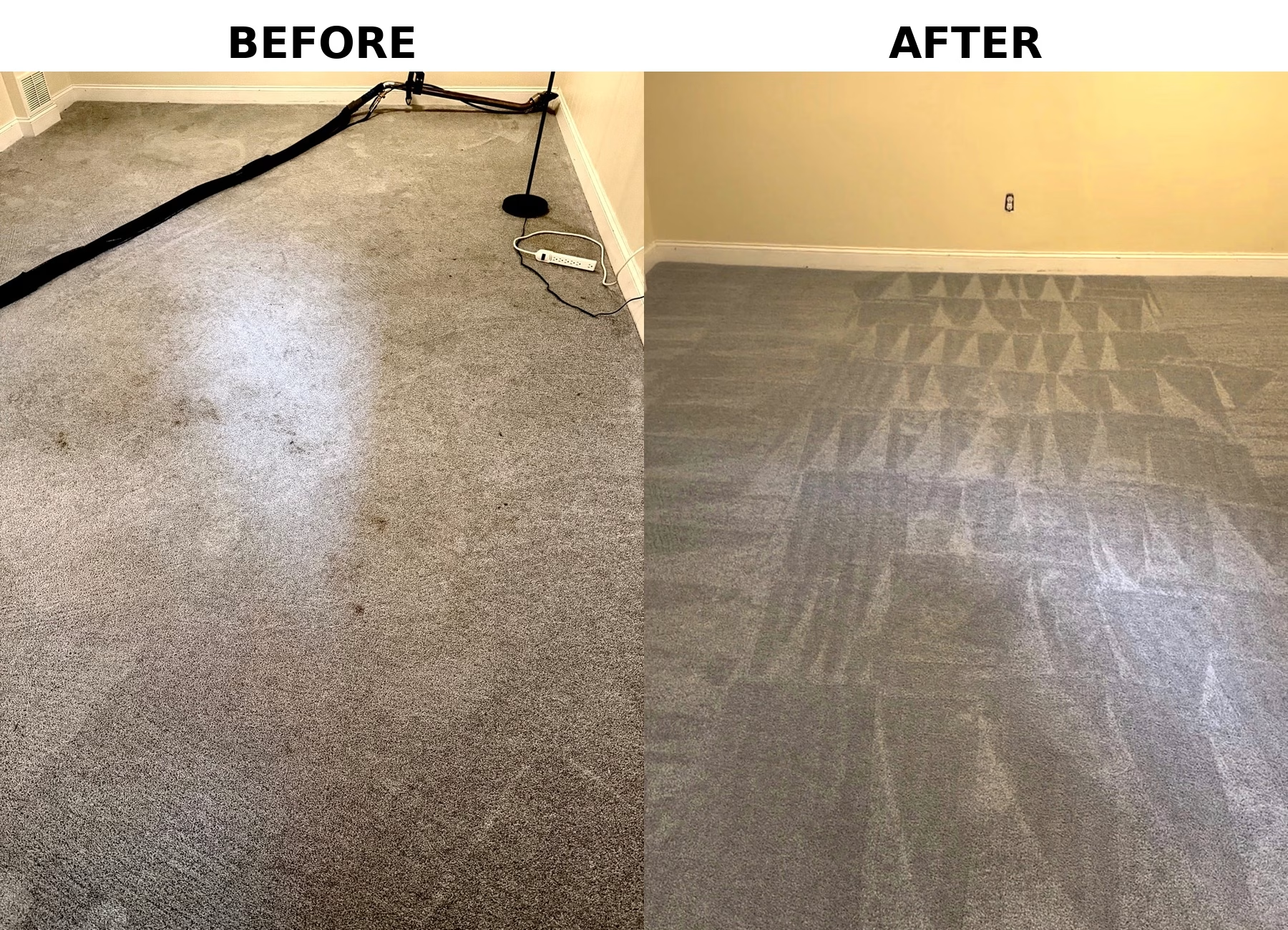

Most homeowners think a stain is just something sitting on top of the carpet. The reality is more complicated. Depending on what spilled, how long it sat, and what you used to clean it, the stain can chemically change the dye in your carpet fibers — sometimes permanently. Nothing demonstrates this faster than pet urine, which is by far the most destructive household stain to carpet dye.
Here’s what’s actually happening at the fiber level, why pet urine is in a category of its own, and why the cleanup method matters more than the spill itself.
How Carpet Is Dyed
Most residential carpet is one of three fiber types:
- Nylon (acid-dyed) — Dye molecules bond to the fiber through a chemical reaction. Strong, vibrant color, but the bond can be broken by the wrong chemistry. This is the fiber most vulnerable to pet urine damage.
- Polyester / PET — Often solution-dyed (color added before the fiber is extruded). More stain-resistant, but holds oily soils.
- Olefin / Polypropylene — Almost always solution-dyed. Extremely colorfast, but absorbs oil-based stains aggressively.
The dye type determines what a stain can — and can’t — do to the color.
What Stains Actually Do to Dye
1. They strip the dye
Anything alkaline (high pH) breaks acid-dye bonds on nylon carpet. Common culprits:
- Pet urine after it dries and oxidizes (covered in detail below)
- Household alkaline cleaners (oven cleaner, degreasers, some grocery-store carpet shampoos)
- Bleach or oxidizers
You see this as a yellow, orange, or pink patch where the original color used to be. The fiber itself is fine — the dye is gone.
2. They add new color
Foreign dye gets deposited into or onto the fiber:
- Red dye from drinks, popsicles, kids’ medicine
- Coffee and tea (tannin staining)
- Mustard and turmeric (curcumin — extremely stubborn)
- Ink and marker
On nylon, foreign dye can bond with the fiber the same way the original dye did. Once it bonds, normal cleaning won’t remove it.
3. They react chemically with the dye
The most damaging category:
- Cellulosic browning — sugars and tannins from spills wick up from the carpet backing during cleaning and oxidize into a yellow-brown haze.
- Sun fading plus a wet spill — UV-weakened dye is much easier to strip.
- Acid bleaching — strong acidic spills (battery acid, some toilet bowl cleaners) destroy dye outright.
Pet Urine: The Worst Offender for Carpet Dye
Pet urine deserves its own section because no other household stain causes more permanent dye damage. Most homeowners think the smell is the worst part. In reality, the smell is the warning sign — the dye damage is the real problem.
Why urine destroys carpet dye
Fresh pet urine is mildly acidic and relatively easy to deal with if you catch it immediately. But as soon as it dries, bacteria break down the urea and release ammonia. The pH climbs from around 6 (acidic, dye-safe) to 9 or higher (alkaline, dye-destructive). On a nylon carpet, that alkaline shift breaks the dye bonds and lifts color right out of the fiber.
That’s why old pet stains look orange, yellow, or pink even after you scrub the spot clean — the urine is gone, but the dye went with it.
It gets worse with every accident
Pets return to the same spots. Each repeat deposit:
- Adds more alkaline residue to dye that’s already weakened
- Soaks deeper into the carpet backing and pad
- Leaves urine salts that reactivate with humidity — the smell comes back every summer until the salts are flushed out
- Causes the spot to spread as the contamination wicks outward
A spot that’s been hit five times by a dog is not the same job as a fresh accident. The dye damage is cumulative.
Why store-bought pet cleaners often make it worse
Most grocery-store “pet stain” sprays are alkaline. You’re treating an alkaline residue with more alkaline product on a fiber whose dye is already half-destroyed by alkalinity. The visible spot might lighten temporarily, but you’re accelerating the dye loss.
Enzyme cleaners work on the smell because they break down the organic component, but most of them don’t address the alkaline salts or restore pH balance to the fiber. Smell gone, color still gone.
What actually works for pet stains
- Find every spot, not just the visible ones. A UV/black light identifies hidden urine deposits that look fine in daylight but are silently destroying dye.
- Flush the contamination, don’t just clean the surface. Urine soaks into the pad and subfloor. Surface cleaning won’t touch that.
- Neutralize the pH. Enzyme treatment to break down the organic residue, then an acid-side rinse to bring the fiber back into the dye-safe zone.
- Extract thoroughly. Heavy water with controlled extraction — not scrubbing.
If you’re dealing with repeat pet accidents, see our pet waste removal service page for the full process and what to expect.
Why DIY Cleaning Usually Makes It Worse
Three things go wrong:
- Wrong pH. Most grocery-store carpet cleaners are alkaline. On a nylon carpet that’s already had urine damage, an alkaline cleaner finishes the job — you end up with a bigger, lighter patch than you started with.
- Heat. Steam or hot water on a protein stain (blood, egg, milk, urine) cooks the protein and locks it into the fiber.
- Agitation. Scrubbing with a brush distorts the fiber face and creates a permanent texture difference that reads as a stain even after the color comes out.
What a Professional Approach Looks Like
When we treat a stain at Superior Carpet and Tile Cleaning, the process is:
- Identify the fiber and the stain. pH-test the affected area. Determine if dye damage has already happened.
- Match chemistry to the soil. Acid rinse on alkaline residue, enzyme on protein, oxidizer on tannin. The wrong product doesn’t just fail — it makes the spot permanent.
- Dwell, don’t scrub. Let the chemistry do the work. Heavy agitation damages the fiber face.
- Extract with a neutral or acidic rinse. Leaves the carpet at a pH that’s safe for the dye.
If dye loss has already happened, there are options — spot dye correction, area-specific re-dyeing, or section replacement — but those are separate jobs from cleaning.
The Bottom Line
A spill is not the same as a stain. A stain is what happens when a spill chemically changes the carpet — and most of the time, that change is caused by what you do to clean it, not the spill itself. Pet urine is the most common culprit because every day it sits, the chemistry gets more destructive.
If you spill something:
- Blot, don’t scrub
- Use cool water, not hot
- Skip the grocery-store cleaner
- Call a pro before the spot dries — especially for pet accidents
Superior Carpet and Tile Cleaning services Canonsburg, Washington County, and the greater Pittsburgh area. Call (724) 322-7556, learn about our pet waste removal service, or request a free quote online.
Leave a Reply